


The survey shows that Japan leads among major travel destinations worldwide, becoming the most desired country for repeat visits, reflecting its highly attractive tourism experience.
TAIPEI, TAIWAN (MERXWIRE) – As the global travel market continues its post-pandemic recovery, international tourism momentum has clearly rebounded. Beyond the return of visitor flows, a rising trend of “repeat travel” is emerging across major destinations. According to a survey conducted by the Dentsu Group, Japan ranks first in global travelers’ willingness to revisit, making it the country with the strongest “return appeal.”
According to a report by UN Tourism, the number of international overnight travelers worldwide reached 1.52 billion in 2025, representing a 4% increase year-on-year, or nearly 60 million additional travelers. This data indicates that cross-border travel demand has not only recovered to pre-pandemic levels but continues to show steady growth.
Meanwhile, data compiled by the global analytics platform StatRanker shows that the top ten most visited countries in 2025 include traditional tourism powerhouses such as France, Mexico, the United States, Italy, and Spain. France remains in first place globally with over 100 million arrivals, while the Asian market continues to demonstrate strong momentum.
However, when viewed from the perspective of “revisit intention,” the results shift significantly. A Dentsu survey conducted across 20 major economies and more than 12,000 international travelers found that Japan ranked first, with 52.7% of respondents saying they would like to visit again. This was far ahead of South Korea in second place (20%) and the United States in third (16.6%).
The study highlights that Japan’s leading position is largely driven by its highly diverse tourism experiences. From the snowy landscapes of Hokkaido in the north to the tropical island scenery of Okinawa in the south, Japan’s geographical and climatic diversity allows travelers to experience something new even on repeat visits.

In addition, most first-time visitors tend to focus on the “Golden Route,” including Tokyo, Osaka, Kyoto, and Mount Fuji. However, repeat visitors increasingly expand their itineraries to regional cities and rural areas, contributing to the revitalization of local economies. The report also notes that this decentralized travel behavior helps alleviate overtourism pressures.
In recent years, with the depreciation of the yen and lower travel costs, Japan has welcomed over 40 million inbound tourists annually, leading to significant congestion in major destinations. Popular areas such as Shibuya, Kyoto, and Mount Fuji have experienced overcrowding, including transportation congestion, disruptions to daily life, and rising prices—fueling growing concerns over “tourism pollution.”
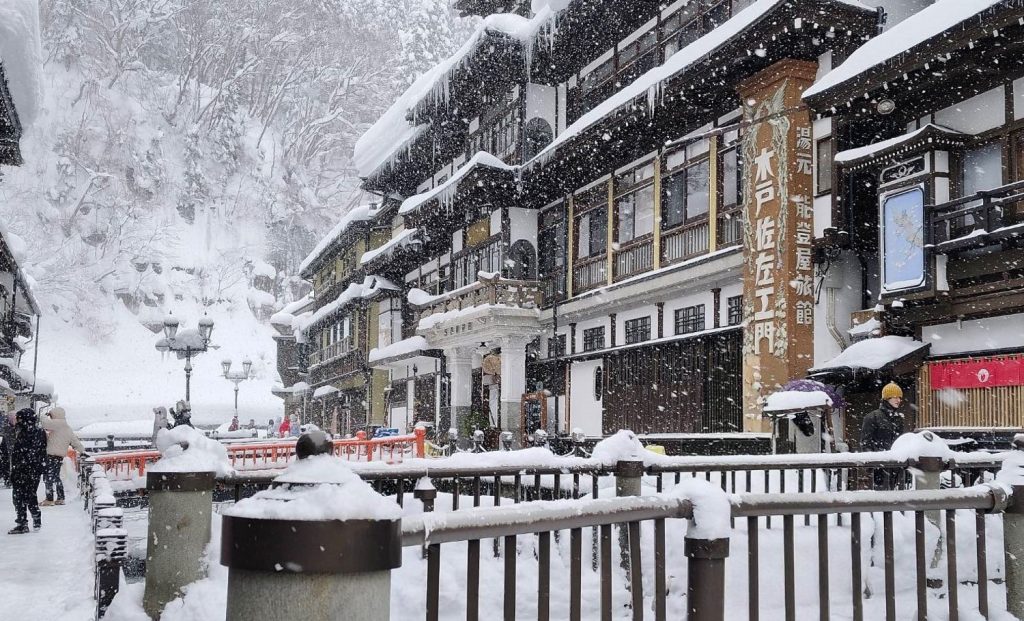
To address these pressures, some regions have begun implementing crowd control measures. For example, Ginzan Onsen in Yamagata Prefecture has introduced reservation-based shuttle buses and visitor caps to manage tourist flow and maintain service quality. At the same time, certain destinations have adopted dual pricing systems, charging different rates for foreign visitors and domestic residents, sparking international debate over fairness in tourism policies.
Despite these challenges, Japan continues to maintain strong attractiveness due to its cultural depth, service quality, and transportation convenience. It remains a leading example of a high-repeat-visit destination amid the global shift toward “deep travel” and experiential tourism. Overall, the global tourism market is transitioning from single-visit sightseeing to repeat visitation and immersive experiences, with competitiveness increasingly defined by the ability to encourage travelers to “come back again.”