


Japan’s Wagyu beef exports have reached a new record high, according to the latest data from the Ministry of Agriculture, Forestry and Fisheries. Taiwan, the United States, and Hong Kong remain the key export destinations, highlighting steadily rising global demand for premium Japanese beef.
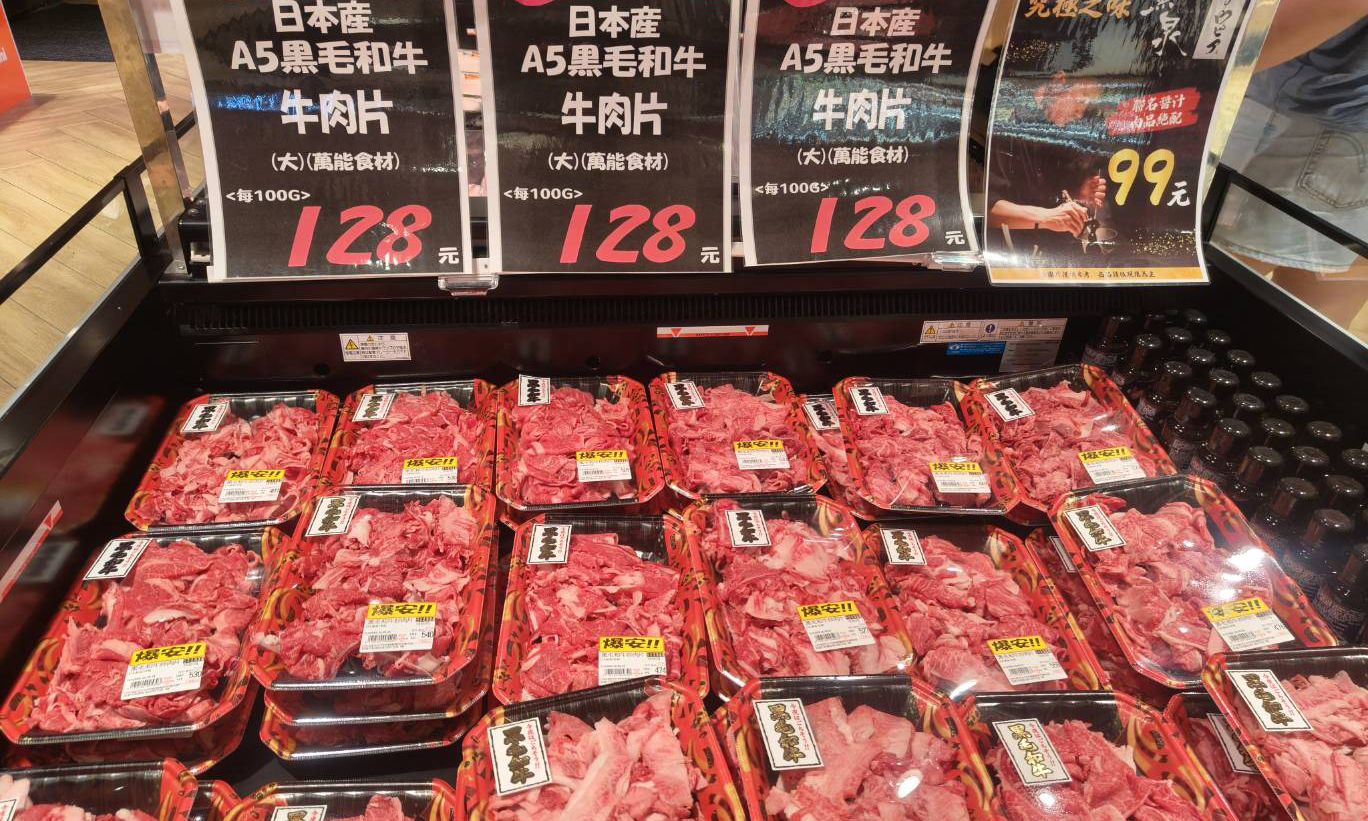
TOKYO, JAPAN (MERXWIRE) – Japan exported 12,628 tons of beef in 2025, marking a 17% year-on-year increase, according to the ministry’s latest “Wagyu Supply and Demand Trends” report. Taiwan accounted for the largest share at 21%, followed by the United States at 20% and Hong Kong at 17%, with the three markets together representing nearly 60% of total exports. The figures underscore the growing international popularity of Japanese Wagyu beef.
The ministry also noted that Wagyu production in Japan continues to expand. Based on projections of calf birth rates, output in fiscal 2026 is expected to reach approximately 180,000 tons, driven by both domestic and overseas demand. Production typically peaks in November to meet year-end demand, with additional increases observed during fiscal year-end periods, summer holidays, and the Obon season.
Despite rising exports, about 93% of total Wagyu production is still consumed domestically, with large-scale retail channels accounting for around 59% of domestic distribution. However, the growing export market is gradually expected to reduce the domestic share of total output.
A 45-year-old homemaker in Osaka, Yumi Yamamoto, said rising prices have made Wagyu less of a routine purchase. “We only buy Wagyu for special occasions like New Year’s or family gatherings. On regular days, we mostly choose cheaper imported beef,” she said, adding that although Wagyu is highly valued for its quality, it has become less affordable for everyday household consumption.
Meanwhile, demand from overseas tourists continues to grow. A visitor from Taipei, Taiwan, Ms. Chen, said she makes a point of enjoying Wagyu dishes whenever she travels to Japan. “Even though Japanese Wagyu is available in Taiwan, the variety and freshness in Japan are on another level,” she said, noting that Wagyu has become a key culinary attraction for Taiwanese travelers.
The Consumer Aesthetics and Cultural Tourism Society Japan noted that Wagyu is increasingly viewed not only as a premium food product but also as a cultural and tourism asset. The organization highlighted growing international interest in regional Wagyu brands, chef-led dining experiences, and farm-to-table culinary tourism, which are boosting both tourism and local economies.
It also recommended that local governments and industry players further integrate tourism resources by offering immersive experiences combining farm visits, regional sake, and Wagyu dining. At the same time, it emphasized the importance of strengthening origin certification and quality control to maintain the global brand value of Japanese Wagyu amid expanding exports.
On the domestic front, beef consumption trends remain closely tied to real wage movements. Declining real wages in recent years have contributed to a reduction in per-household beef purchases, although seasonal spikes are still observed during New Year holidays, Golden Week, summer vacations, and the Obon period.
Regional differences remain significant, with western Japan showing higher per-capita beef consumption. Kyoto, Wakayama, and Kobe rank among the top cities in household beef spending, reflecting the strong cultural presence of Wagyu in the Kansai region.
Meanwhile, domestic beef inventories, which increased during the COVID-19 pandemic, have gradually declined and have now returned to levels close to pre-pandemic conditions. Analysts suggest that with rising export demand and stabilizing inventories, Japan’s Wagyu industry is entering a new phase of sustained growth.
Media Contacts:
Consumer Aesthetics and Cultural Tourism Society Japan
PR Agency:
MERXWIRE INC.
Ada Huang
pr@merxwire.com
SOURCE: Consumer Aesthetics and Cultural Tourism Society Japan