


Under growing life pressures, many people have developed the habit of relieving stress through late-night online shopping, making “clearing the shopping cart” part of everyday life. As emotional spending becomes increasingly common, experts warn that excessive shopping may strain both financial stability and mental health.
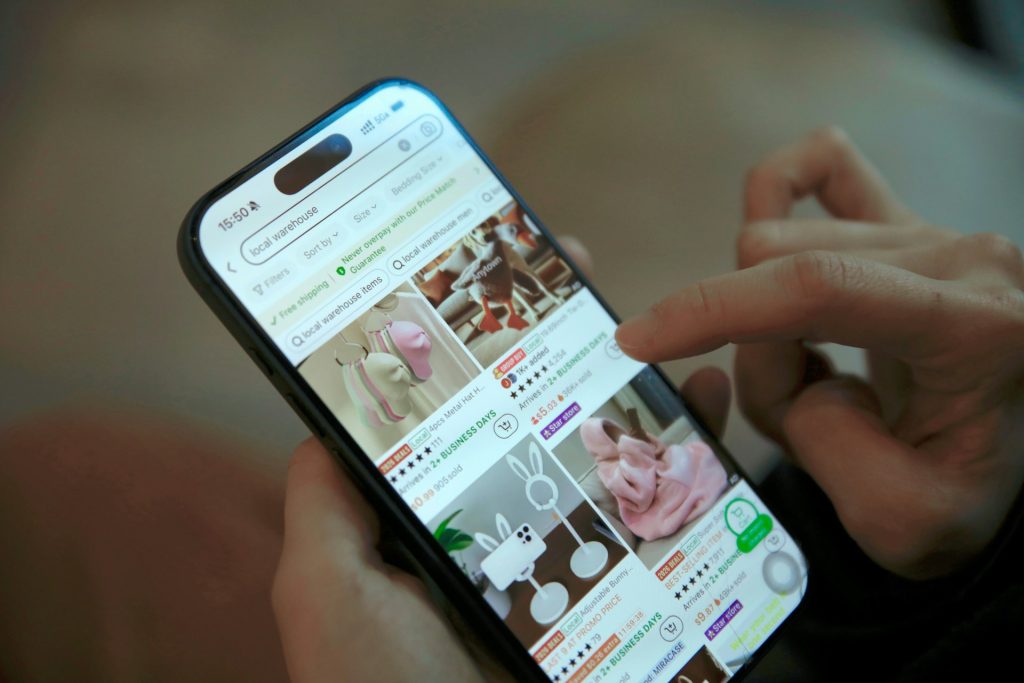
BOSTON, MA (MERXWIRE) – After a long, exhausting workday, many people do not immediately rest upon returning home. Instead, they open shopping apps, browse online carts, and sometimes make impulsive purchases late at night. This phenomenon of “shopping for stress relief” is gradually becoming a shared routine in modern high-pressure lifestyles.
Psychologists and consumer behaviour experts describe this behaviour as a typical form of “emotional spending,” in which individuals seek temporary emotional comfort or psychological compensation through shopping. As workplace stress, life anxiety, and digital consumer environments intensify, shopping is no longer merely about fulfilling practical needs; it has increasingly become a means of emotional regulation.
According to a survey released by financial services platform Intuit Credit Karma and Qualtrics, approximately 39% of respondents report engaging in emotional spending behaviours, with even higher rates among Generation Z and Millennials. The survey found that stress, anxiety, exhaustion, and emotional distress are among the most common triggers for impulsive purchases.
Even amid rising inflation and economic uncertainty, many consumers continue to seek emotional comfort through small discretionary purchases. In recent years, sales of “small happiness” products — including soothing lifestyle items, fragrances, cosmetics, snacks, and desserts — have continued to grow, reflecting the growing importance of emotional value in consumer decision-making.
Psychologists explain that when individuals remain under prolonged stress or experience a lack of control, the brain naturally seeks behaviours that provide rapid rewards. Shopping offers a relatively accessible and immediate sense of satisfaction. The entire process — from browsing products to completing payment — can stimulate the brain’s reward system, temporarily creating feelings of pleasure and control.
However, such emotional satisfaction is often short-lived. Another survey found that 28% of respondents identified emotional impulse spending as one of their major financial regrets. Some consumers also admitted that they are more likely to engage in irrational shopping behaviours during periods of stress, emotional lows, or late-night insomnia.
With the widespread adoption of e-commerce platforms and mobile payment systems, “one-click purchasing” has significantly lowered the barriers to spending while shortening consumers’ decision-making time. Experts believe that personalised recommendations and habitual late-night smartphone browsing may further amplify the risk of impulsive spending, particularly in highly urbanised, digitally connected markets.
In recent years, grassroots movements such as the “No-Buy Challenge” and “digital decluttering” initiatives have emerged across Europe and North America, encouraging individuals to reassess their shopping habits and reduce emotional dependence on consumption. Some participants voluntarily stop making non-essential purchases for a period to ease financial pressure and reduce consumption-related anxiety.

Emotional spending itself is not entirely negative. However, when shopping becomes a primary long-term coping mechanism for stress relief, it may eventually affect both financial well-being and mental health. Experts suggest that establishing a cooling-off period before purchases, developing non-consumption-based leisure activities, and identifying the true sources of stress are essential to maintaining long-term life balance.