


Global inflation and changing consumer habits are accelerating the growth of supermarket private labels. Once viewed mainly as low-cost alternatives, private label products are now becoming high-quality choices that allow consumers to balance price, quality, and diverse purchasing needs.
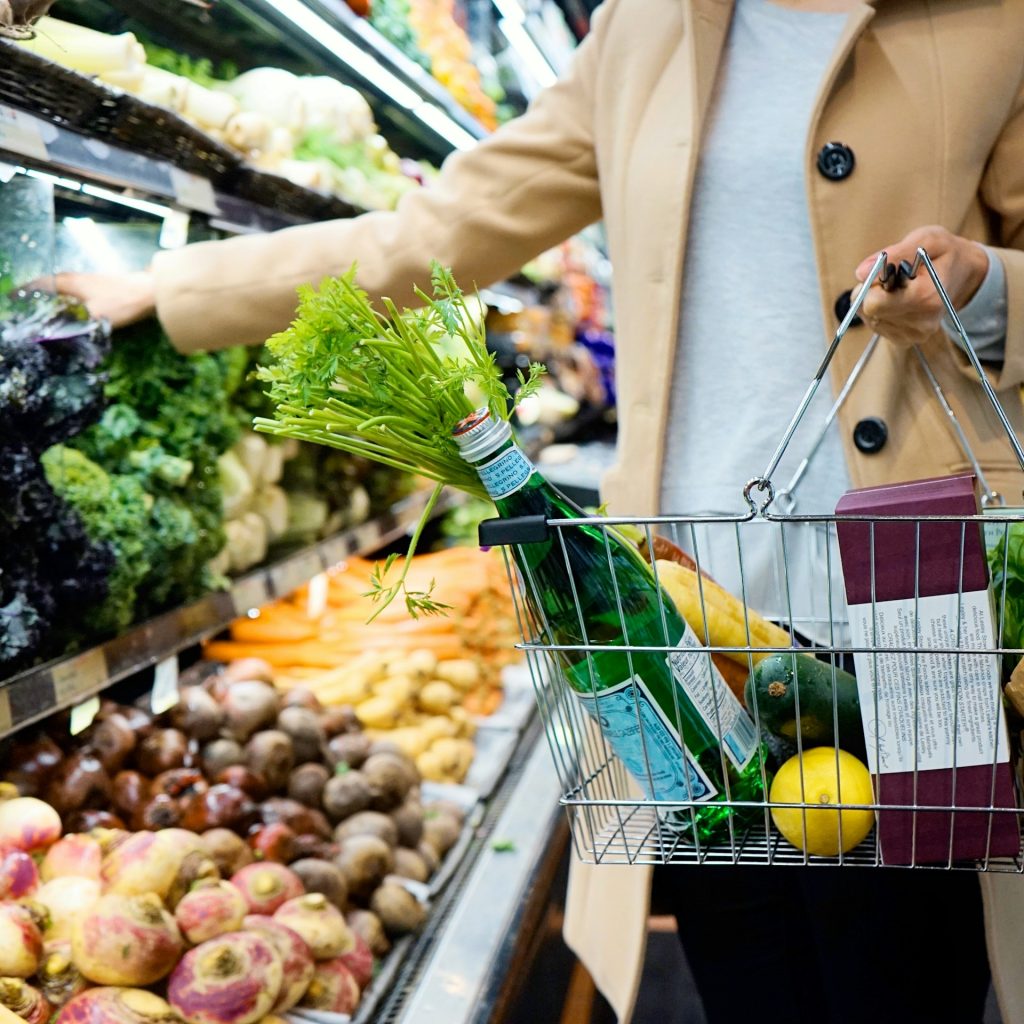
SEATTLE, WA (MERXWIRE) –In the past, when shoppers entered a supermarket, many preferred familiar national brands, believing that well-known names represented quality and trust. However, consumer habits have gradually changed in recent years, with more people comparing prices and quality before choosing supermarket private label products. From milk, coffee, and snacks to cleaning supplies and household essentials, private labels are shifting from “low-cost alternatives” to important choices in consumers’ daily shopping routines.
The enormous size of the global retail market has also supported the continued growth of private labels. According to market research data from Statista, the global food retail market is valued at several trillion dollars, with supermarkets remaining one of the most important channels for purchasing everyday goods. Data from the Food Industry Association (FMI) shows that annual sales in the U.S. supermarket industry exceed $900 billion, highlighting the continued importance of physical supermarkets in household consumption.
Private labels are particularly well established in European markets. According to the Private Label Manufacturers Association (PLMA), private label products account for more than 40% of retail sales in markets such as Switzerland, Spain, and the United Kingdom, with some countries approaching half of total sales. This demonstrates that private labels are no longer limited to budget-conscious consumers but have become regular purchases for many households.
The U.S. market is showing a similar trend. According to retail research firm Circana, private label sales in the United States have continued to grow in recent years, while consumer acceptance of supermarket brands has increased significantly. In the past, private labels were often viewed as substitutes for major brands, but many retailers are now investing in product development, packaging design, and quality management to create more attractive offerings.
Changes in shopping habits are also encouraging supermarkets to expand their product variety. Beyond basic food and household items, many private labels now include organic foods, health products, and sustainable goods, attracting consumers who value product quality and lifestyle choices. Private labels are no longer simply a pricing strategy but have become another way for consumers to select products that better match their individual needs.
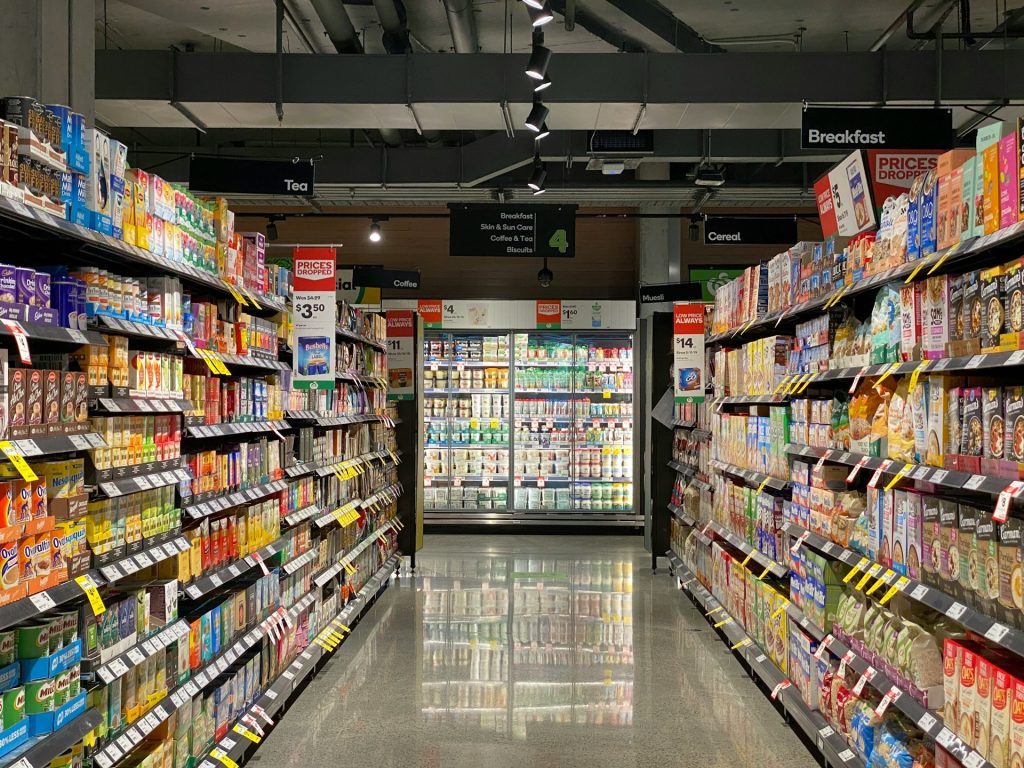
For today’s consumers, the rise of private labels means more choices when shopping. Whether they want to reduce household expenses, prioritise product quality, or find products that match their personal preferences, shoppers can discover more suitable options on supermarket shelves. From price and quality to everyday essentials and speciality products, private labels are making the shopping experience more diverse and flexible.