


Japan’s land prices continue to climb as tourism reshapes regional economies. Latest land valuation data shows nationwide land prices increased 2.9%, with popular ski and tourism destinations emerging as major drivers of growth. Nagano Prefecture’s Hakuba Village recorded the highest increase nationwide, with land values rising 32.7% year-on-year.
TOKYO, JAPAN (MERXWIRE) – Japan’s National Tax Agency’s latest roadside land price report, based on valuations as of January 1, 2026, showed that average land prices across the country rose 2.9% from the previous year, marking the fifth consecutive year of growth. The increase was driven by urban redevelopment, recovering commercial activity, and rising inbound tourism demand.
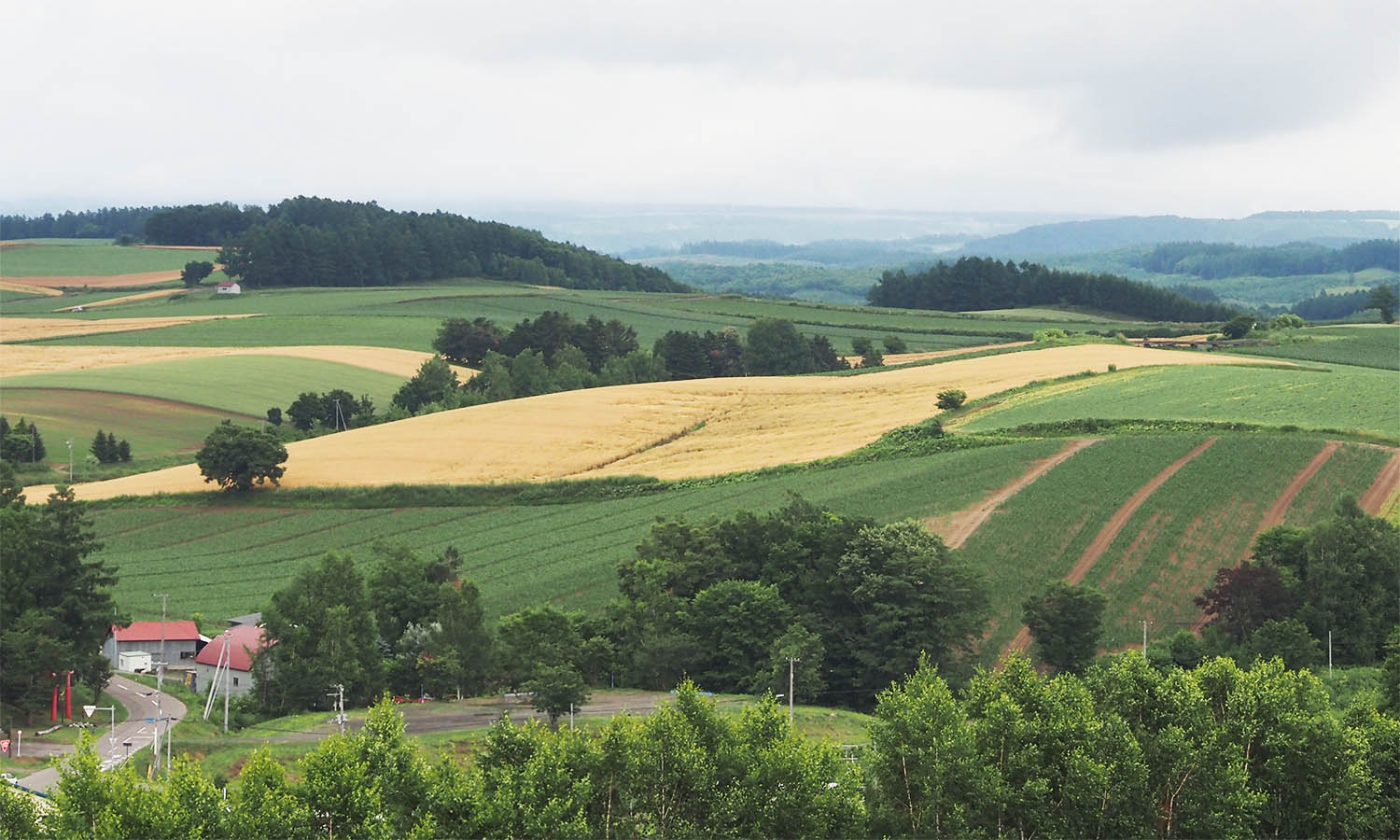
Among the strongest performers were internationally recognized ski destinations, including Hakuba Village and Nozawa Onsen Village in Nagano Prefecture, as well as Furano City in Hokkaido. The three areas recorded annual land value growth rates of 32.7%, 31.3%, and 28.0%, respectively, highlighting the growing influence of tourism on Japan’s regional real estate markets.
Japan’s roadside land price system, published annually by the National Tax Agency, serves as an important benchmark for inheritance and gift taxation while also providing insight into property market trends. This year’s figures indicate that strong demand is no longer limited to major urban centers such as Tokyo and Osaka, with international tourism increasingly boosting land values in regional destinations.
Hakuba Village ranked first nationwide for land value growth for the third consecutive year, followed by Nozawa Onsen Village and Furano City. All three destinations have benefited from growing demand among overseas travelers seeking ski experiences, as well as increased investment in hotels, luxury accommodations, vacation homes, and tourism-related facilities.
Beyond ski resorts, Japan’s major urban tourism districts also maintained strong land values. Among the highest roadside land prices in prefectural capital areas, Tokyo’s Ginza district recorded the nation’s highest value, with land along Ginza Chuo-dori in Ginza 5-chome reaching 53.36 million yen per square meter. Osaka’s Midosuji area in Kita Ward ranked second at 21.20 million yen per square meter, while Yokohama Station’s West Exit area in Nishi Ward ranked third at 17.60 million yen per square meter.
These locations are not only leading commercial districts but also major destinations for international visitors seeking shopping, dining, and cultural experiences, demonstrating how tourism consumption continues to support premium real estate values in Japan’s most attractive areas.
Market analysts said that Japan’s tourism-driven real estate growth is expected to continue, supported by a weak yen, record levels of inbound visitors, and government efforts to promote regional tourism and urban renewal. From ski resorts in northern Japan to global shopping hubs such as Ginza and Midosuji, tourism has become an increasingly important force shaping the country’s land market.
A Taiwanese visitor, Ms. Lin, who has traveled to Japan’s ski regions multiple times, said she has noticed significant changes in Hakuba’s international appeal. “In the past, people mainly came to Hakuba for skiing. Now there are more unique restaurants, boutique hotels, and local experiences. Even visitors who do not ski are attracted to the area,” she said, adding that tourism development naturally contributes to rising local value.
A U.S. traveler who has visited Japan several times also noted the transformation of regional destinations. “Places like Furano and Nozawa Onsen are amazing ski destinations in winter, but I visited during summer this time and was impressed by the comfortable weather and beautiful scenery,” he said. “As more tourists arrive, accommodations and commercial facilities are improving, and you can feel these towns are rapidly evolving.”
The Consumer Aesthetics and Cultural Tourism Society Japan said that rising land prices reflect not only changes in the real estate market but also the growing importance of “tourism value” as a regional economic asset. As international visitors increasingly seek local culture, natural landscapes, seasonal experiences, and high-quality accommodations, land value is shifting from traditional indicators such as population and industry toward a model based on cultural appeal and tourism potential.
The organization noted that the success of Hakuba, Nozawa Onsen, and Furano is not solely based on ski facilities, but on their ability to combine natural resources, local culture, cuisine, accommodations, and immersive experiences into internationally attractive tourism brands.
The society recommended that Japanese communities move beyond relying only on visitor numbers and instead focus on developing high-quality, experience-based tourism that encourages longer stays and higher spending. By preserving traditional culture, creating distinctive local neighborhoods, improving tourism services, and integrating local crafts and food culture, regional destinations can build sustainable tourism ecosystems.
As global travelers continue to rediscover Japan’s diverse regions, local communities are expected to evolve from simple sightseeing spots into immersive lifestyle destinations, transforming tourism demand into long-term economic growth.
Media Contacts:
Consumer Aesthetics and Cultural Tourism Society Japan
PR Agency:
MERXWIRE INC.
Ada Huang
pr@merxwire.com
SOURCE: Consumer Aesthetics and Cultural Tourism Society Japan