


As living costs continue to rise, Japanese households are changing their money-saving habits. Many homemakers are now turning to reward point systems and daily spending adjustments to make cost-cutting easier and more sustainable.
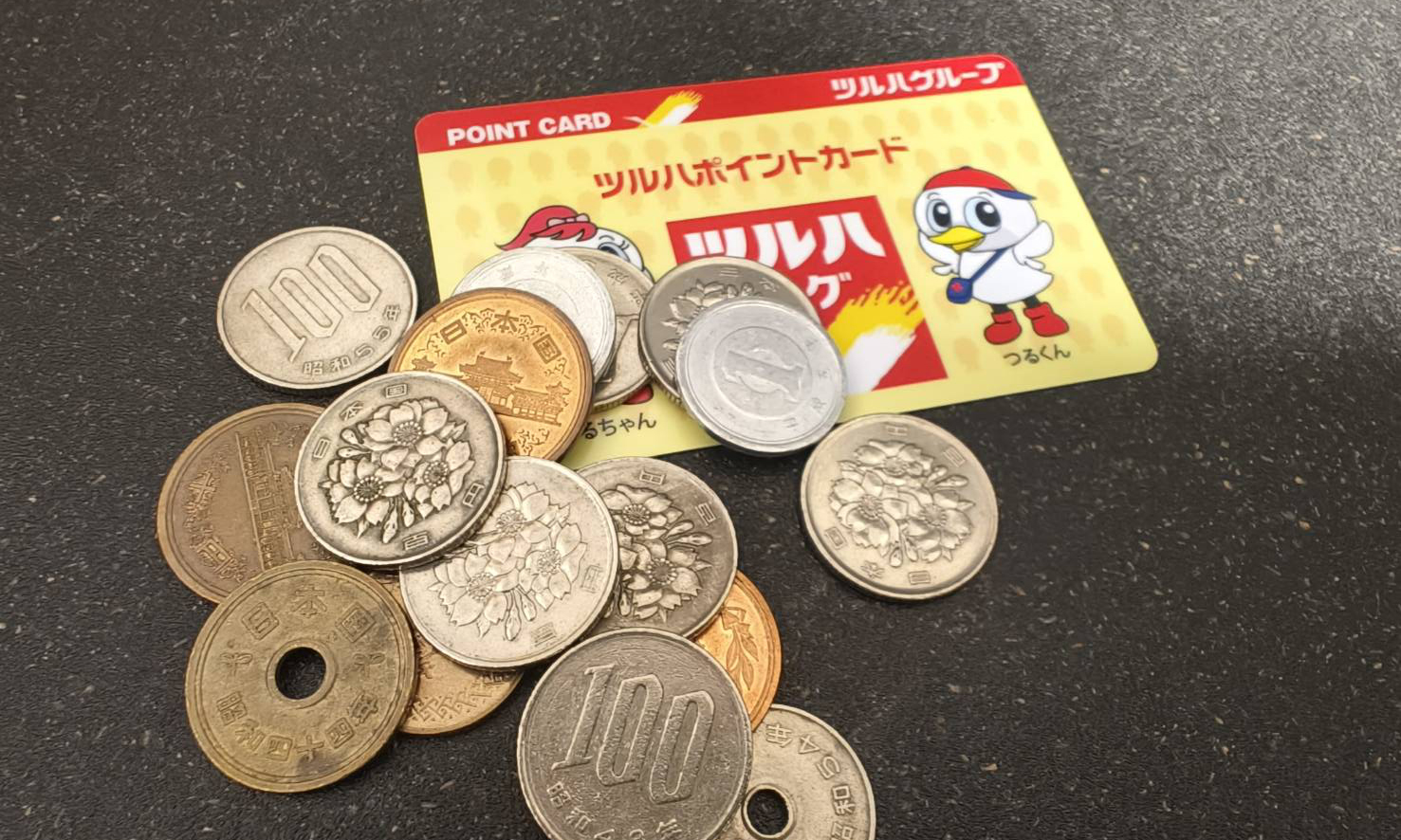
TOKYO, JAPAN (MERXWIRE) – Amid ongoing increases in prices and utility expenses, financial pressure on households in Japan is becoming more pronounced. Recent surveys show that more homemakers are incorporating financial management into daily life, using reward point systems and reducing non-essential spending to manage household budgets more effectively.
According to a survey conducted by Crekari Co., Ltd., the most common cost-saving methods include using reward points and mileage programs (79.7%), reducing utility expenses such as electricity, gas, and water (57.7%), and choosing high-reward payment methods (47.5%).
One of the most widely used systems is Rakuten Points, launched by Rakuten Group. The system can be used across shopping, dining, travel, and financial services, and is widely regarded as a point system that functions almost like cash.
In addition to Rakuten, several other major point programs are widely used in Japan. T-Point / V Point is accepted across supermarkets, convenience stores, and drugstores, making it highly accessible in daily life. Ponta Point integrates services such as energy, telecommunications, and retail. d Point, operated by NTT Docomo, is closely linked to mobile services and digital payments. Meanwhile, PayPay Point, tied to mobile payment platform PayPay, offers frequent promotions and relatively high cashback rates.
Experts note three main reasons behind the popularity of these systems: low entry barriers that allow users to accumulate points through routine purchases, wide application across daily consumption categories, and clear, tangible rewards that make savings easy to understand and track.
The Kanto Smart Living Cooperative highlighted that Japanese consumers are shifting from simple cost-cutting to more systematic financial management. By integrating digital payments and reward systems, households are better able to track spending and convert consumption into accumulated value, improving long-term financial stability.
The organization also recommends that households prioritize fixed expenses and non-essential spending when dealing with inflation. This includes optimizing utility usage, reducing dining-out frequency, and leveraging high-reward payment tools. Combining point systems with budgeting and expense tracking can further improve financial efficiency and sustainability.
A woman in her 40s interviewed for the report said reward points have become an essential part of her household management. “Now I always check if I can earn points before buying something. Over time, it really adds up—it feels like turning daily spending into savings,” she said.
Another respondent in her 30s said she has adjusted her lifestyle in response to rising prices. “I cook at home more often, and I’ve reduced eating out and convenience store purchases. Each saving may be small, but they add up significantly,” she said.
Overall, household savings strategies can be divided into two main approaches: maximizing cashback and reward systems to turn spending into savings, and reducing basic living expenses such as utilities and daily consumption.
More households are also systematizing point usage by combining it with budgeting and expense tracking tools, making financial conditions more transparent and easier to manage.
Among reducible expenses, eating out and takeout (48.8%) is the most commonly cut category, followed by clothing, beauty, and hair services (44.9%), and convenience store and snack purchases (43.5%), as these are considered non-essential.
Key priorities for respondents include effective use of points and cashback (64.1%), reducing overall spending (55.5%), and maintaining sustainable saving habits (52.9%). This reflects a growing preference for simple, sustainable, and low-effort financial management.
Japan’s approach to household budgeting is shifting from traditional “frugality and restraint” toward smarter consumption and systematic financial planning, integrating savings naturally into everyday life.
Media Contacts:
Kanto Smart Living Cooperative
PR Agency:
MERXWIRE INC.
Ada Huang
pr@merxwire.com
SOURCE: Kanto Smart Living Cooperative