


Rising temperatures and takeaway demand are boosting beverage sales, but higher packaging, logistics, and energy costs are putting pressure on profits, making gradual price increases increasingly common.
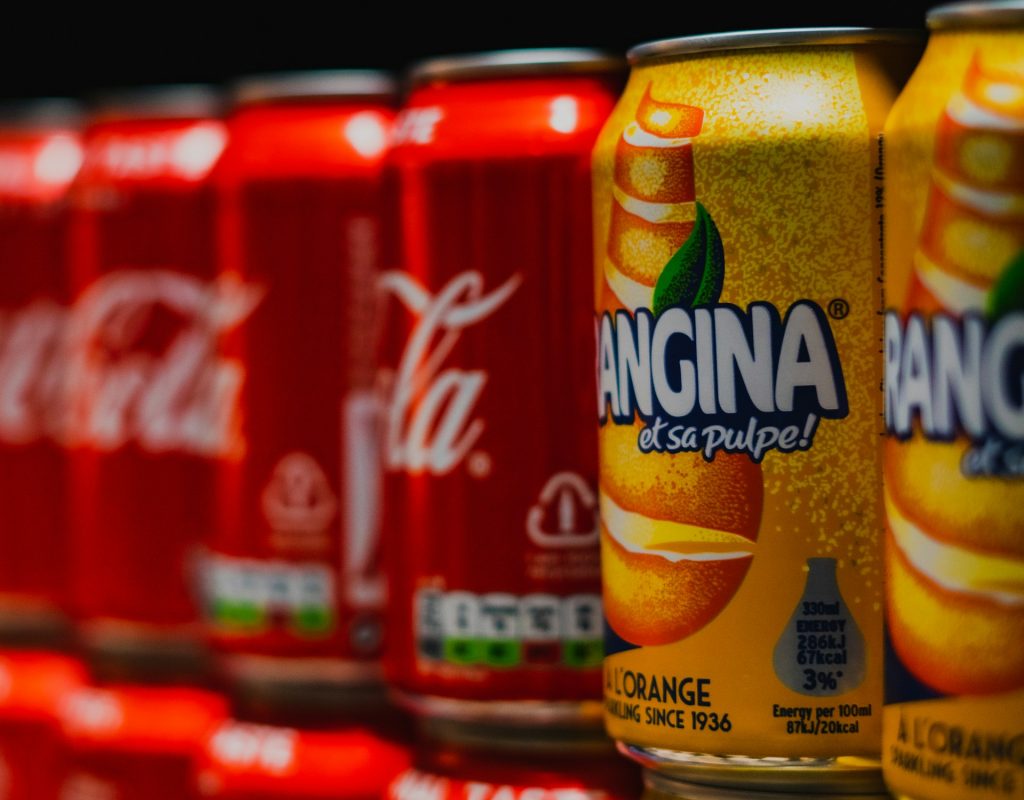
HOUSTON, TX (MERXWIRE) –Have you noticed that buying a bottle of beverage at a convenience store now costs slightly more than before? Whether it is bottled tea, carbonated drinks, or takeaway hand-shaken beverages, drinks remain one of the most accessible everyday indulgences. Yet the subtle price rise reflects deeper structural pressures across the industry.
Market data indicate that demand for beverages continues to grow. Taking Coca-Cola as an example, the global beverage leader reported first-quarter revenue of approximately USD 12.5 billion in 2026, up about 12% year over year, alongside growth in global sales volume. Driven by warmer weather and sustained takeaway consumption habits, the beverage market continues to expand steadily, with consumers showing little reduction in purchasing despite price changes.
However, higher sales volumes do not necessarily translate into higher profitability. The cost structure of the beverage industry has undergone significant changes in recent years. Packaging materials are a primary factor. The plastic used in PET bottles and the metals used in aluminium cans are closely linked to oil prices and global commodity markets. As energy prices rise, packaging costs increase, pushing up the per-unit production cost even before a product leaves the production line.
Beyond visible packaging, logistics and cold chain operations also play a critical role. Most beverage products require temperature-controlled storage and transportation, and their high distribution frequency and extensive retail networks further amplify costs. Increases in fuel prices and labour expenses are ultimately reflected in retail prices. According to market research firm Mordor Intelligence, the global beverage packaging market is expected to reach nearly USD 170 billion in 2026, highlighting that packaging and distribution are no longer merely supporting functions but major cost drivers within the industry.
Rather than implementing sharp one-time price hikes, companies often respond through subtle adjustments, such as reducing package sizes, limiting promotional discounts, or introducing premium product variants. While each transaction may only reflect a small increase, the cumulative effect on everyday spending becomes significant over time.

When a single bottle of beverage involves not just raw ingredients but an entire, complex global supply chain, rising prices become inevitable.