


Approximately 32,000 exhibitions are held worldwide each year, with major museums attracting more than 200 million visits in 2025. From traditional art institutions to immersive exhibitions, visiting exhibitions is increasingly evolving into a lifestyle activity that integrates tourism, social interaction, and consumption, while continuing to drive urban tourism and the broader art economy.
HOUSTON, TX (MERXWIRE) – Have you noticed that when travelling abroad today, visiting exhibitions has become as routine as sightseeing and dining? From classical museum collections to the rapidly growing trend of immersive exhibitions, art is no longer confined to passive appreciation. Instead, it has evolved into an experience that combines social sharing, interaction, and deeper consumer engagement.
Global exhibition activity is steadily recovering. According to The Art Newspaper’s latest survey, major art museums worldwide recorded more than 200 million visits in 2025. Although this figure has yet to return to the 2019 peak of approximately 230 million, visitor numbers have rebounded significantly from pandemic lows. From a broader perspective, data from the Global Association of the Exhibition Industry (UFI) indicate that around 32,000 exhibitions are held worldwide each year, underscoring the renewed importance of in-person cultural events and the continued rise in demand for exhibition experiences.
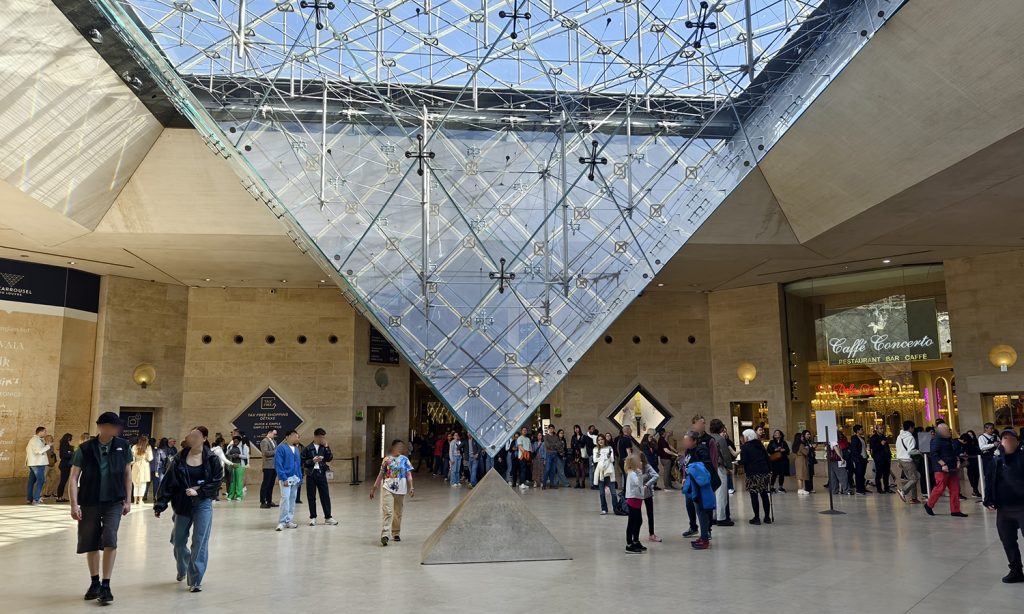
Among leading institutions, the Louvre remains one of the world’s most iconic cultural landmarks, attracting approximately 9 million visitors annually. For many travellers, visiting museums has become a primary purpose of their trip, positioning these institutions not only as art spaces but also as key tourism gateways.
In London, the Natural History Museum recorded more than 7 million visitors in 2025, setting a new attendance record. Its exhibitions, ranging from dinosaur fossils to natural science displays, attract a broad audience and increasingly position museums as family-oriented leisure destinations.
Similarly, the Vatican Museums continue to draw close to 7 million visitors each year, integrating religion, art, and tourism into one of Europe’s most popular cultural experiences.
In the United States, the Metropolitan Museum of Art attracts nearly 6 million visitors annually. Beyond exhibitions, its cultural merchandise and related consumption contribute significantly to its economic impact.
Visitor numbers across Asia are also rising. For example, the National Museum of Korea attracts approximately 6.5 million visitors annually, reflecting how museums are becoming key indicators of cultural competitiveness among cities in the region.
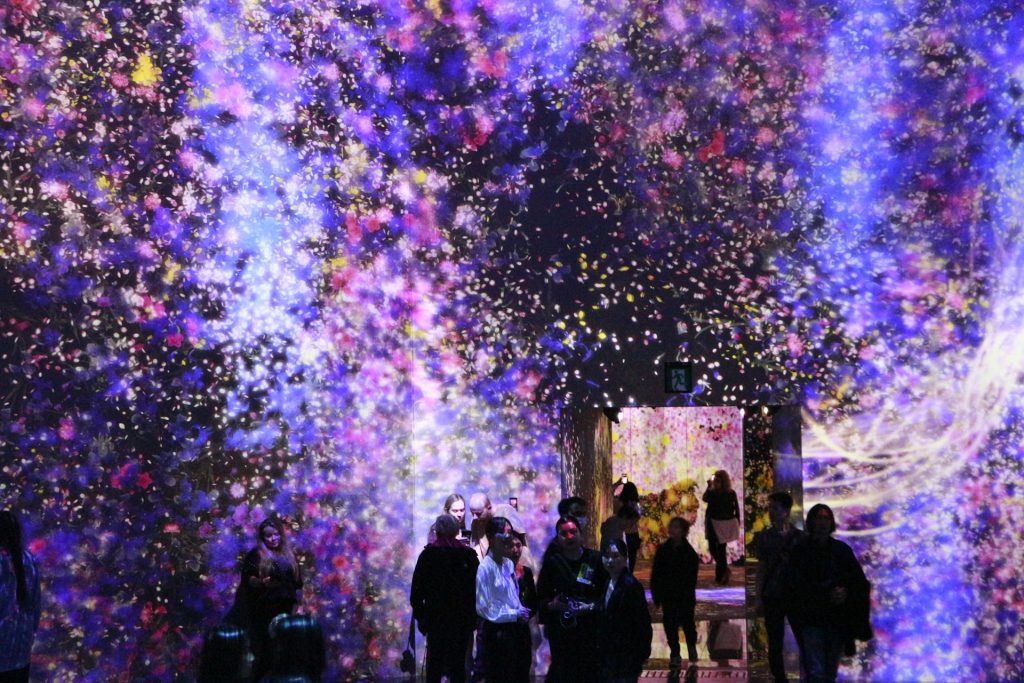
At the same time, exhibition formats are evolving. In addition to traditional displays, immersive exhibitions featuring digital projections and interactive design are gaining popularity. These experiences allow visitors to engage more deeply with artworks, extend dwell time, and encourage spending beyond ticket purchases, including merchandise, dining, and experiential offerings.
Overall, art exhibitions are no longer limited to cultural appreciation; they have developed into a hybrid industry that integrates tourism, social interaction, and consumption. With more than 30,000 exhibitions held annually and over 200 million visits recorded, visiting exhibitions is increasingly becoming part of everyday life rather than an occasional activity.