


Japan’s demographic challenges continue to deepen as the population of children aged 15 and under has fallen for the 45th consecutive year, reaching a record low. With birth rates remaining on a downward trend, the shrinking child population is steadily reshaping industries such as toys, education, and infant care products, forcing companies to rethink their business models and market strategies.
TOKYO, JAPAN (MERXWIRE) – According to the Ministry of Internal Affairs and Communications, Japan’s estimated child population stood at 13.29 million as of April 1, 2026, a decrease of 360,000 from the previous year and the lowest level on record. Children now account for just 10.8% of the total population, down 0.3 percentage points year-on-year, marking the 52nd consecutive annual decline in the child population ratio.
In contrast, Japan’s population aged 65 and over has reached 36.19 million, representing 29.5% of the total population—approximately 2.7 times the number of children. The widening gap highlights a severe structural imbalance in the country’s demographics.
A breakdown by age group further illustrates the continued decline in younger cohorts. The population aged 12–14 stands at 3.09 million, followed by 2.96 million aged 9–11, 2.68 million aged 6–8, and 2.43 million aged 3–5. The youngest group, aged 0–2, has fallen to just 2.13 million, indicating that Japan’s declining birth trend shows no sign of reversal.
According to the United Nations’ World Population Prospects, among 38 countries with populations exceeding 40 million, South Korea records the lowest share of children at 10.2%, followed by Japan at 10.8%, and Spain at 12.6%, underscoring the severity of low fertility trends in developed economies, particularly in East Asia.
Governments have introduced a range of policies to address declining birth rates. Japan has expanded child allowances and childcare support; South Korea has implemented generous cash incentives and housing benefits for families; Singapore offers its “Baby Bonus” scheme with cash grants and savings matching; and France is often cited as a relative success case due to its comprehensive childcare system and family subsidies. However, experts argue that financial incentives alone are insufficient, as housing costs, wages, and work culture also play critical roles in fertility decisions.
As the child population declines, Japan’s child-related industries are undergoing structural change. In the toy sector, companies are increasingly targeting adult collectors and high-value products. Anime figures, limited-edition collectibles, and nostalgic toys have become key growth drivers, while many brands are expanding overseas to offset weakening domestic demand.
The cram school and education industry is also adapting to declining student numbers by expanding online learning, AI-based education tools, and adult learning programs. Some institutions are shifting toward elderly learners and professional certification courses to diversify revenue streams.
A Tokyo-based cram school operator with over 20 years of experience said student numbers have dropped significantly, especially in regional areas. “A grade that used to have 30 to 40 students now has only about half,” he said. To maintain operations, the school has expanded online classes and introduced adult English and qualification courses to broaden its customer base.
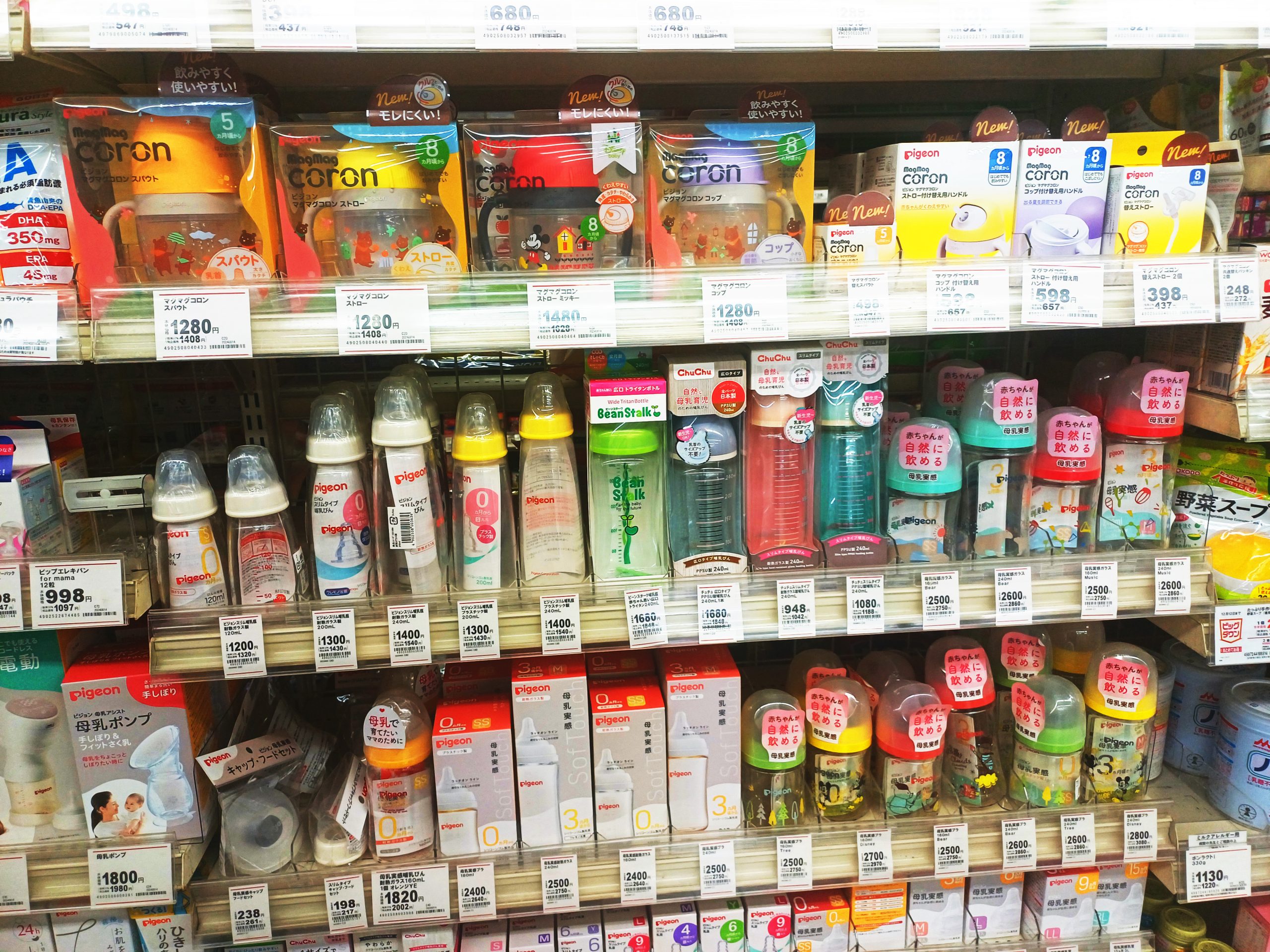
The children’s apparel and infant goods market is also under pressure. With fewer newborns, consumers are increasingly opting for higher-quality, longer-lasting products, pushing brands toward premiumization. At the same time, companies are exploring eco-friendly products, second-hand markets, and rental services to reduce the financial burden of childcare.

The impact has even reached the food industry. Japanese food manufacturer Kewpie Corporation announced it will discontinue production of baby food and toddler food products by the end of August 2026. The company cited rising raw material and energy costs, declining sales, and an increasingly difficult market environment.
Kewpie stated that despite efforts such as equipment investment and sales promotion, it ultimately concluded that sustaining production while maintaining quality and meeting consumer needs was no longer viable.
Meanwhile, a 32-year-old mother in Tokyo raising a one-year-old child said that while government subsidies provide some relief, childcare costs remain heavy. “Milk powder, diapers, daycare, and medical expenses add up more than expected,” she said, adding that many of her peers are hesitant about having a second child due to financial and work-related pressures.
Analysts note that Japan’s shrinking child population is fundamentally reshaping consumer markets. Companies are increasingly shifting away from volume-driven growth toward high-value products, overseas expansion, and diversified customer segments in search of sustainable growth.