


Japan’s container port throughput continued to grow in 2025, reaching 22.36 million TEUs for the year, up 1.8% from the previous year. Tokyo Port remained the country’s largest container hub, while steady activity at major and regional ports highlighted resilient logistics demand and continued strength in Japan’s international trade, consumption and tourism-related flows.
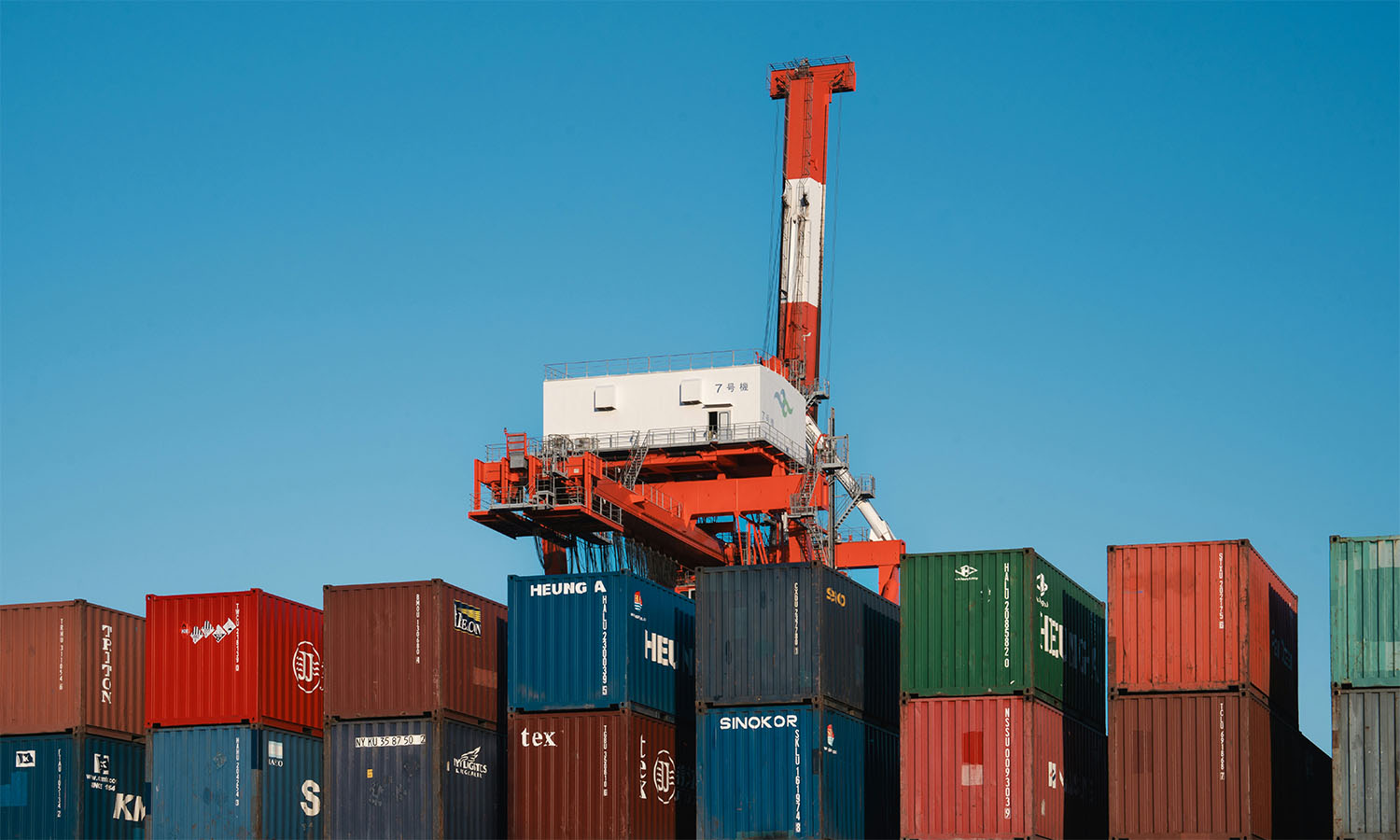
TOKYO, JAPAN (MERXWIRE) – Japan’s Ministry of Land, Infrastructure, Transport and Tourism (MLIT) has released preliminary figures for container cargo handled at ports nationwide in 2025. From January through December 2025, Japan’s ports handled approximately 22.36 million TEUs (twenty-foot equivalent units), an increase of 1.8% from 2024. Both foreign-trade and domestic container volumes increased, indicating steady demand for maritime logistics across Japan.
According to the statistics, foreign-trade container throughput totaled approximately 17.80 million TEUs in 2025, up 1.8% year on year, while domestic container throughput reached approximately 4.56 million TEUs, an increase of 1.9%. The figures include both loaded and empty containers. One 20-foot container is counted as one TEU, while a 40-foot container is counted as two TEUs.
Tokyo Port remained Japan’s largest container port, handling 4,856,680 TEUs in 2025, up from 4,700,671 TEUs in 2024. Yokohama Port ranked second with 3,182,607 TEUs, followed by Nagoya Port with 2,786,447 TEUs, Kobe Port with 2,705,127 TEUs, and Osaka Port with 2,412,611 TEUs. The five leading ports continued to serve as major hubs supporting Japan’s international logistics network.
Tokyo Port’s 2025 container throughput included 4,268,615 TEUs of foreign-trade containers. Yokohama Port handled 3,182,607 TEUs, Nagoya Port 2,786,447 TEUs, Kobe Port 2,705,127 TEUs, and Osaka Port 2,412,611 TEUs. Tokyo Port’s total container throughput increased 3.3% year on year, according to the Tokyo Metropolitan Government.
Container traffic also showed varying trends at regional ports. Hakata Port handled approximately 984,500 TEUs in 2025, up from about 953,300 TEUs a year earlier. Kitakyushu Port handled approximately 526,200 TEUs, while Shimizu Port recorded approximately 518,400 TEUs. Naha Port in Okinawa handled approximately 588,900 TEUs. ([Funeco][3])
One notable development was the launch of a new international feeder service at Miike Port in Fukuoka Prefecture in 2025, resulting in newly recorded international feeder container throughput. MLIT defines international feeder containers as cargo transferred via an international strategic port before being transported for import or export. Such data have been compiled and published since 2013.
From a longer-term perspective, Japan’s container throughput has continued to expand. The 22.36 million TEUs recorded in 2025 reflects the continued scale of the country’s container logistics network, with annual throughput now exceeding 20 million TEUs.
MLIT said the latest figures were compiled based on container throughput data submitted by port authorities nationwide for January through December 2025. As some figures remain preliminary, the data may be revised as additional information becomes available.
As Japan’s international trade and domestic logistics networks continue to develop, major ports including Tokyo, Yokohama, Nagoya, Kobe and Osaka are expected to remain critical nodes supporting the country’s supply chains. At the same time, the development of regional ports and international feeder services could become increasingly important in shaping Japan’s future container logistics network and strengthening connections between regional economies, tourism and global markets.