


Japanese regional airports are embracing a new trend of “character branding,” with popular anime, manga, and entertainment IPs becoming part of airport identities. From Conan and GeGeGe no Kitaro to Hello Kitty and the limited-time Pokémon-themed airport in Ishikawa, Japan is turning airports into tourism attractions that promote local destinations while creating new opportunities for visitor spending.
TOKYO, JAPAN (MERXWIRE) – Japanese regional airports are increasingly combining popular anime characters, games, and local culture to create distinctive tourism gateways. By incorporating well-known characters into airport names and facilities, airports are evolving beyond transportation hubs into attractions in their own right. From Tottori’s Conan and GeGeGe no Kitaro airports to Okayama’s Momotaro Airport and Oita’s Hello Kitty Airport, the strategy is now expanding with the launch of the limited-time “Noto Satoyama Pokémon Airport.”
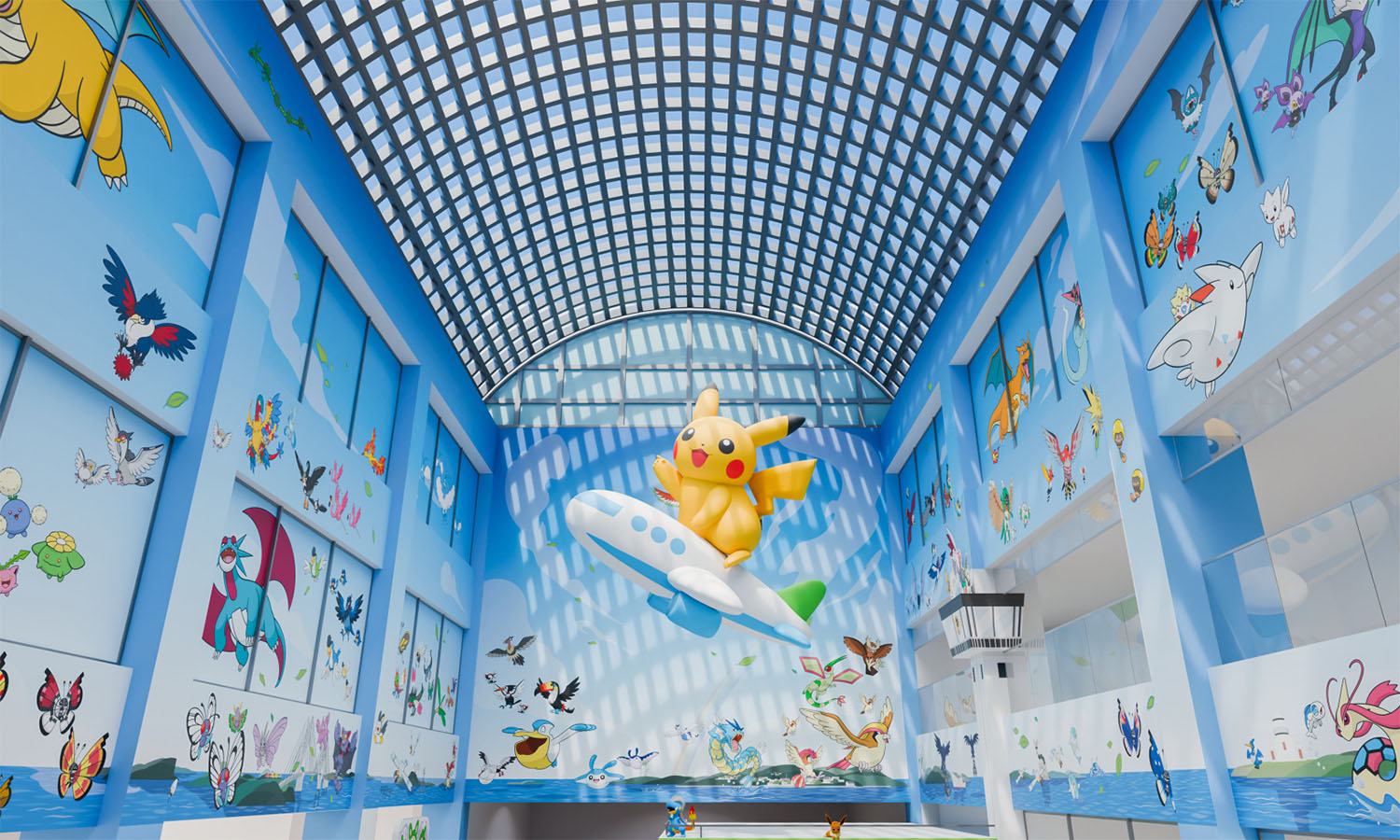
Ishikawa Prefecture’s Noto Satoyama Airport began operating under the temporary name “Noto Satoyama Pokémon Airport” on July 7, 2026, with the initiative scheduled to continue through September 30, 2029. Pokémon-themed elements have been incorporated throughout the airport, covering architecture, passenger areas, food and beverages, merchandise, and transportation services to create a comprehensive themed experience and encourage tourism across the Noto Peninsula.
The airport’s second-floor atrium features a giant Pikachu and an airplane-shaped balloon, surrounded by illustrations of Pokémon flying through the air. A total of 111 Flying-type Pokémon identified as of May 2026 are displayed throughout the airport, giving visitors an opportunity to search for the characters while waiting for their flights. Pokémon decorations can also be found at entrances, exits, boarding bridges, walls, and information signs, transforming the airport into an expansive Pokémon-themed attraction.
The first-floor arrival hall features a large artwork titled “A Wonderful Future,” created to support the reconstruction of the Noto region. The work depicts the area’s rich natural environment and welcomes visitors with Pikachu, Plusle, and Minun. Three-dimensional monuments of the characters have also been installed in the arrival area. At the airport’s observation deck, the “Pikachu Village” features numerous Pikachu set against a satoyama landscape, with visitors encouraged to search for other Pokémon hidden among them.
The airport is also using original content to extend the visitor experience. Travelers can use their smartphones to watch three original short films, including “Fly, Bagon!” which tells the story of Bagon, a Pokémon that dreams of flying into the sky. A Bagon monument looking toward Salamence has also been installed inside the airport to connect the physical space with the film. Another original artwork, “Sky of Hope,” features Pokémon soaring through the sky, colorful lights, and a brilliant rainbow, symbolizing freedom, the joy of flying and hope for a new journey.
Food and shopping are also central to the limited-time initiative. The airport restaurant on the third floor plans to offer Pokémon-themed pancakes and drinks, served with original placemats. The “Serendipity” shop on the second floor will sell original merchandise featuring the airport logo and “Sky of Hope,” including T-shirts, keychains, luggage tags and suitcase belts, providing travelers with exclusive souvenirs from their visit.
The Pokémon experience will also extend beyond the airport. Two buses operated by the Hokuriku Railway Group will feature Pokémon-themed vehicle designs. One will operate on the express bus route connecting Kanazawa Station, Noto Satoyama Airport and Wajima City, with one round trip per day. A new sightseeing bus route is also being planned to connect the airport with Pokémon-themed destinations across the Noto Peninsula, allowing visitors to continue their Pokémon-themed journey after leaving the airport.
Japan’s use of popular characters as airport nicknames is not new. Tottori Sand Dunes Conan Airport has used the name of the protagonist of the popular manga and anime series “Detective Conan” since 2015. The airport connects Tottori’s famous sand dunes with Gosho Aoyama, the manga’s creator who was born in Hokuei Town. Inside the airport, visitors can find character illustrations, figures and puzzle-based stamp rallies, turning the facility into a destination for anime fans.
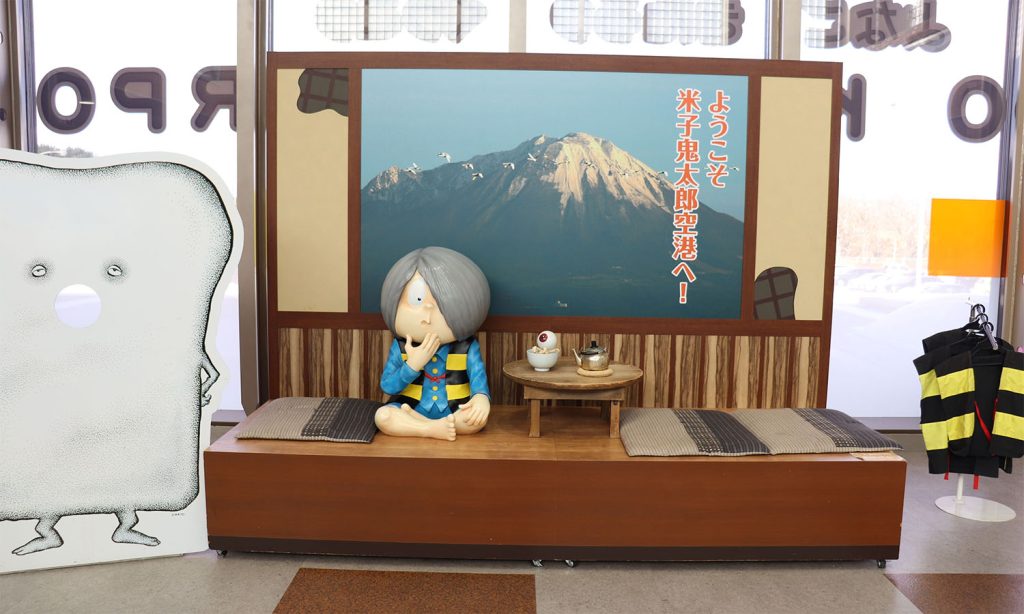
Also in Tottori Prefecture, Yonago Kitaro Airport adopted the name of “GeGeGe no Kitaro,” the popular manga series created by Shigeru Mizuki, who was born in Sakaiminato City. Since 2010, the airport has incorporated the character’s name into its nickname, linking the region’s traditional yokai culture with manga and creating a distinctive tourism brand.
The trend extends beyond fictional characters. Kochi Ryoma Airport takes its name from Sakamoto Ryoma, a historical figure associated with the Meiji Restoration. The airport adopted the nickname in 2003, linking the historical figure with Kochi’s tourism identity. Okayama Momotaro Airport, meanwhile, draws on the famous Japanese folktale of Momotaro. Since 2018, the airport has used the character’s name as part of its branding, while a stained-glass installation depicting the Momotaro story greets passengers in the international departure hall. The airport also uses the character to promote Okayama’s tourism and its famous peaches.
Oita Airport has taken a similar approach by incorporating the globally recognized Hello Kitty brand. Since April 2025, it has used the nickname “Oita Hello Kitty Airport,” with Sanrio characters appearing throughout arrival areas and boarding gates. The airport also offers original limited-edition merchandise. Originally planned to coincide with the Osaka-Kansai Expo period, the nickname has been extended through the end of March 2027.
From Conan and GeGeGe no Kitaro to Momotaro, Hello Kitty and the limited-time Pokémon Airport, Japanese regional airports are using recognizable characters to increase the visibility of local destinations. Compared with conventional airport branding based solely on geographic names, character IP can create stronger visual recognition and social media appeal while generating additional opportunities through themed merchandise, food, stamp rallies, sightseeing buses and destination tours.
The Consumer Aesthetics and Cultural Tourism Society Japan said the growing use of character IP at regional airports reflects a broader shift in Japan’s tourism industry from destination-based sightseeing toward experience-driven travel. The organization recommends that airports and local governments go beyond simply displaying popular characters and instead connect IP-themed facilities with local food, traditional culture, crafts, sightseeing routes and regional products. By turning the airport into the starting point of a broader cultural experience, destinations can encourage visitors to stay longer, explore surrounding communities and increase local spending. The society also noted that limited-time collaborations can create a sense of exclusivity and urgency, while long-term character branding can help build a consistent regional identity. Such a combination of entertainment, local culture and consumer experience could become an effective model for attracting international visitors and revitalizing regional tourism.
For international visitors, these character-themed airports create the feeling that the journey begins the moment they arrive. By combining limited-time campaigns with longer-term character branding, Japanese regional airports are attracting anime fans, families and overseas travelers while generating new tourism and consumption opportunities. The strategy is emerging as a distinctive way for regional Japan to promote local revitalization and tourism through the power of globally recognized IP.
Media Contacts:
The Consumer Aesthetics and Cultural Tourism Society Japan
PR Agency:
MERXWIRE INC.
Ada Huang
pr@merxwire.com
SOURCE: The Consumer Aesthetics and Cultural Tourism Society Japan