


Japan’s cedar pollen season is approaching, with high concentrations expected in eastern and northern regions. Travelers are advised to wear protective gear and monitor daily pollen forecasts.
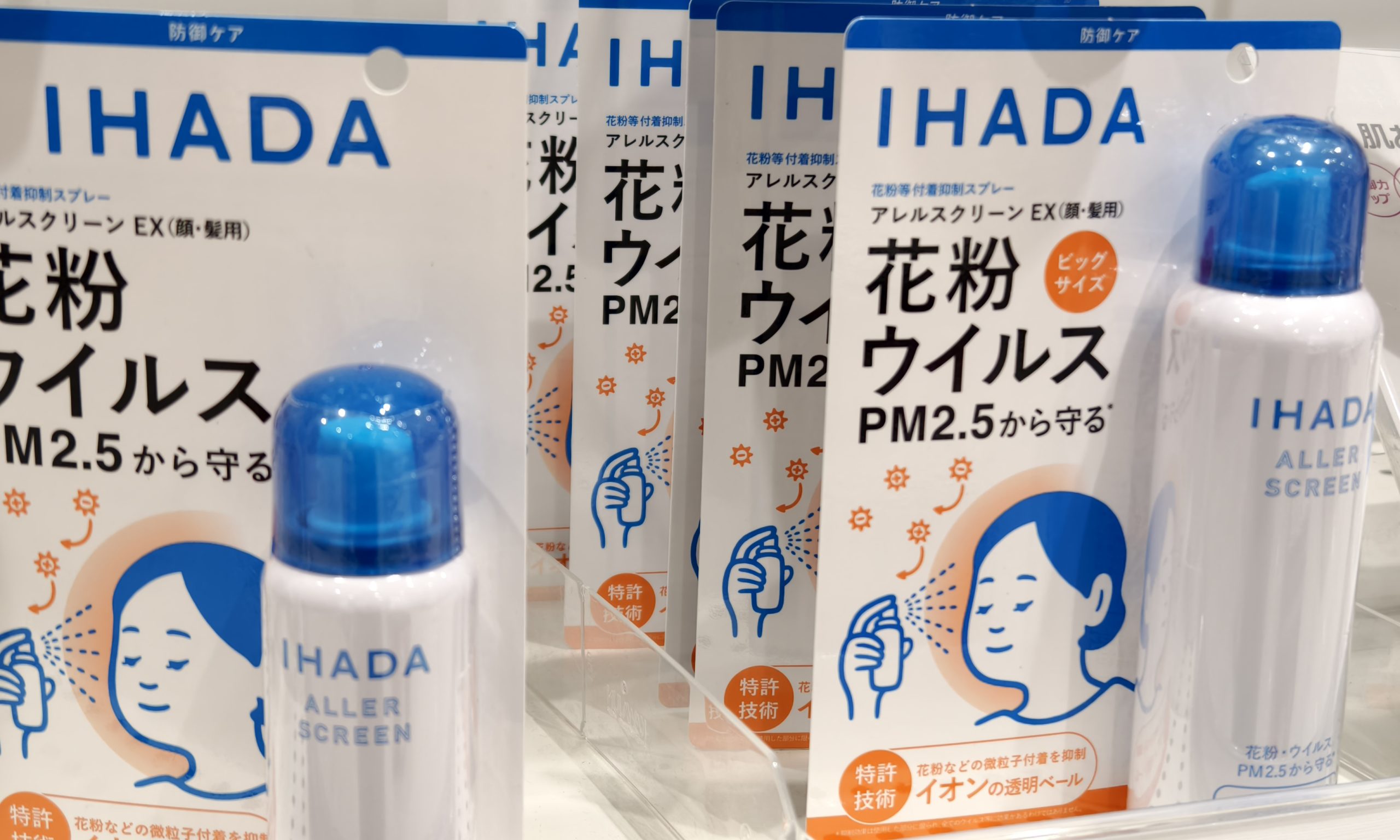
TOKYO, JAPAN (MERXWIRE) – Japan’s Ministry of the Environment has recently surveyed male cedar flower buds, with results showing that bud counts in 26 prefectures nationwide are above average. Among them, nine prefectures—including Hokkaido, Osaka, and Nara—have levels reaching more than two to three times the average. The ministry is urging the public to remain vigilant by wearing protective gear such as masks when going out, and to avoid outdoor activities from afternoon to early evening, when pollen concentrations are at their highest, in order to reduce exposure.
As spring approaches, the cedar pollen season is set to begin. According to the Japan Meteorological Agency, pollen will start spreading in early February in Kyushu, as well as parts of the Chugoku, Tokai, and Kanto regions. Some areas may reach peak pollen levels as early as late February. Overall, western Japan is expected to experience pollen concentrations close to the average, while eastern and northern regions are likely to see higher-than-average levels.
The agency further notes that by mid-February, pollen will expand across Kyushu to Kanto, with the Hokuriku and Tohoku regions entering the pollen season from late February to mid-March. With temperatures expected to be near or above average, warmer days may trigger early pollen dispersion, particularly in the Tohoku region, where spring temperatures could lead to an earlier onset of the season compared to previous years.
Looking ahead to spring 2026, pollen levels in most parts of western Japan are expected to remain near average, while eastern and northern regions may see significantly higher levels, with some areas reaching extreme concentrations.
With international tourism to Japan continuing to rise, Kanto Smart Living Cooperative advises overseas visitors to take special precautions against cedar pollen allergies. Many foreign travelers may be unaccustomed to Japan’s pollen environment, and initial exposure can cause symptoms such as runny or congested nose, itchy eyes, and throat irritation, which may disrupt travel plans. Visitors are encouraged to prepare by bringing masks, protective eyewear, or allergy medication, and to check daily pollen forecasts to plan outdoor activities safely and comfortably.
The Japan Meteorological Agency provides daily pollen concentration updates, allowing residents and visitors to monitor real-time levels by region. By staying informed, travelers can adjust outdoor plans, wear appropriate protective gear, and minimize pollen exposure, ensuring a safer and more enjoyable spring visit.
Media Contacts:
Kanto Smart Living Cooperative
PR Agency:
MERXWIRE INC.
Ada Huang
pr@merxwire.com
SOURCE: Kanto Smart Living Cooperative