


Japan will restrict mercury-containing fluorescent lamps starting in 2026, and the Kanto Smart Living Cooperative is urging the public to plan ahead and gradually replace them with LED lighting.
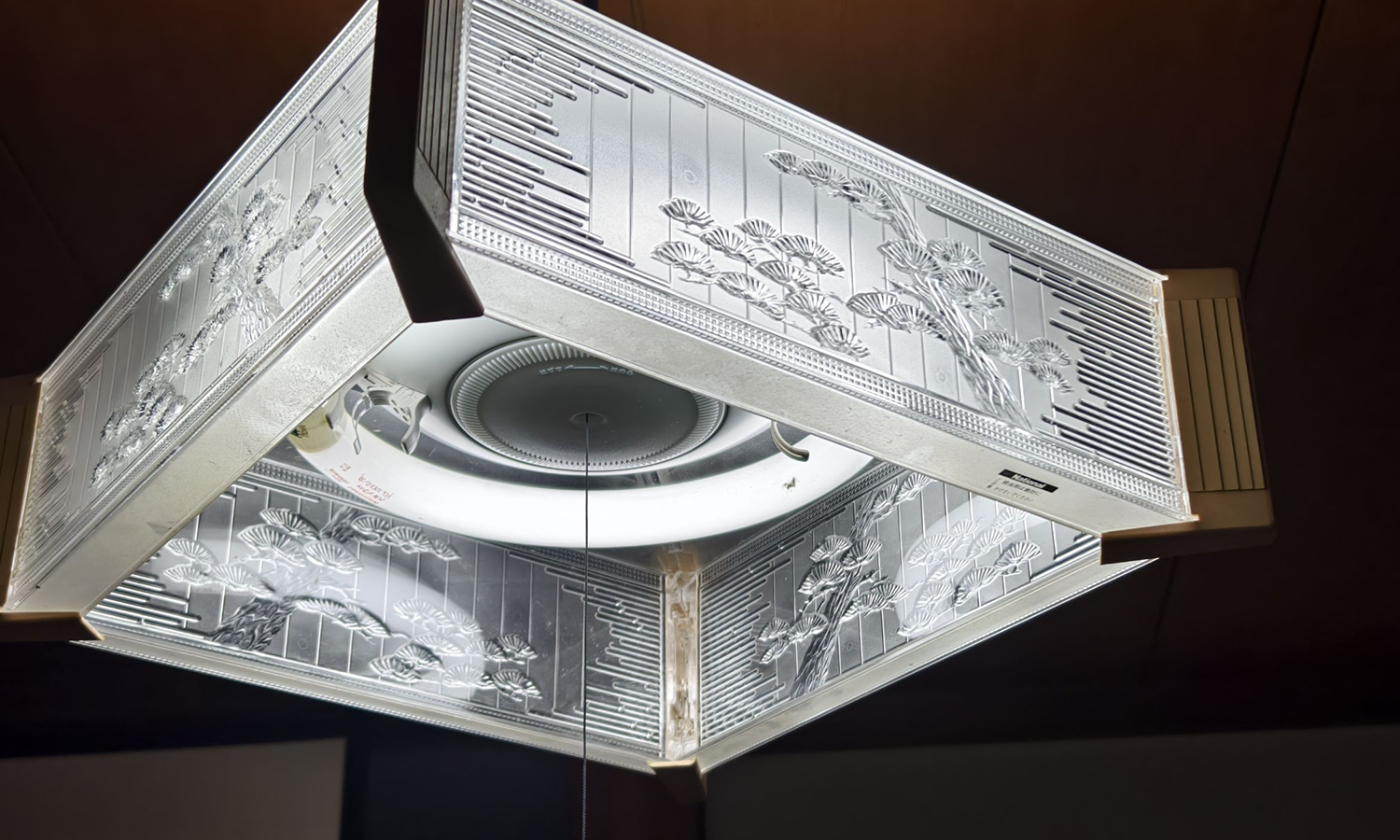
TOKYO, JAPAN (MERXWIRE) – The Japanese government announced that, in response to the Minamata Convention on Mercury, an international treaty on mercury control, it will gradually restrict the production, import, and export of mercury-containing fluorescent lamps starting in January 2026, and completely ban the circulation of related products from January 1, 2028. This move aims to reduce the long-term risks of mercury to human health and the environment.
Officials stated that fluorescent lamps currently in use in homes do not need to be replaced immediately as long as they are still functioning safely, and existing fluorescent lamps sold on the market can continue to be purchased and used before the ban takes effect. However, with the new regulations in effect, fluorescent lamps will gradually be phased out of the market, making it crucial to prepare alternative solutions in advance.
In response, the Kanto Smart Living Cooperative recommends that the public adopt a “gradual replacement” approach to cope with the policy change. Consumers are advised to prioritize high-frequency, high-power-consumption spaces such as living rooms, kitchens, or work areas where lights are on for extended periods. When fluorescent lamps reach the end of their lifespan, they can directly replace them with LED lights. Simultaneously, they should check if the existing lights are old to reduce safety risks and spread the burden of a one-time expense.
Regarding practical experience, Mr. Yamada, an office worker in Tokyo, stated that his home has gradually switched to LED lights in recent years. “Initially, I only replaced the fluorescent lamps when they broke, but I didn’t expect the electricity bill to drop significantly, and the lighting to be more stable. Now I’m thinking of replacing the lights in other rooms as well.”
Ms. Sato, residing in Saitama Prefecture, pointed out that she initially found replacing light fixtures troublesome, but after the salesperson explained it to her, she decided to replace the entire set with LED lights. “I don’t have to change the bulbs so often, and my family feels more at ease. I think replacing them sooner was the right choice.”
Relevant authorities also remind the public that if only straight tube lights, round tube lights, or compact fluorescent lamps are replaced with LED bulbs without replacing the entire light fixture, accidents may occur due to incompatible specifications or improper installation. The Japan Lighting Manufacturers Association warns that improper use of LED lights with existing fluorescent lamps could lead to serious risks such as smoke or fire. Furthermore, even after replacing the bulbs, older lamps may still malfunction due to aging.
In terms of environmental and economic benefits, LED lighting is more energy-efficient and has a longer lifespan than fluorescent lamps. This not only helps reduce household electricity bills but also decreases replacement and maintenance costs, while reducing carbon dioxide emissions, thus contributing positively to mitigating global warming.
In addition, although fluorescent lamps contain mercury sealed inside, it will not leak under normal use and does not pose an immediate health risk. Relevant authorities urge the public to avoid breaking the bulbs and to properly sort and recycle them according to local government regulations to ensure home safety and environmental protection.
Media Contacts:
Kanto Smart Living Cooperative
PR Agency:
MERXWIRE INC.
Ada Huang
pr@merxwire.com
SOURCE: Kanto Smart Living Cooperative