


Extreme weather events and supply chain disruptions are causing significant price volatility in key food ingredients, including cocoa, coffee beans, and eggs. In response to climate change challenges, the development of alternative ingredients and sustainable food solutions is becoming an inevitable trend shaping the future of the global food system.

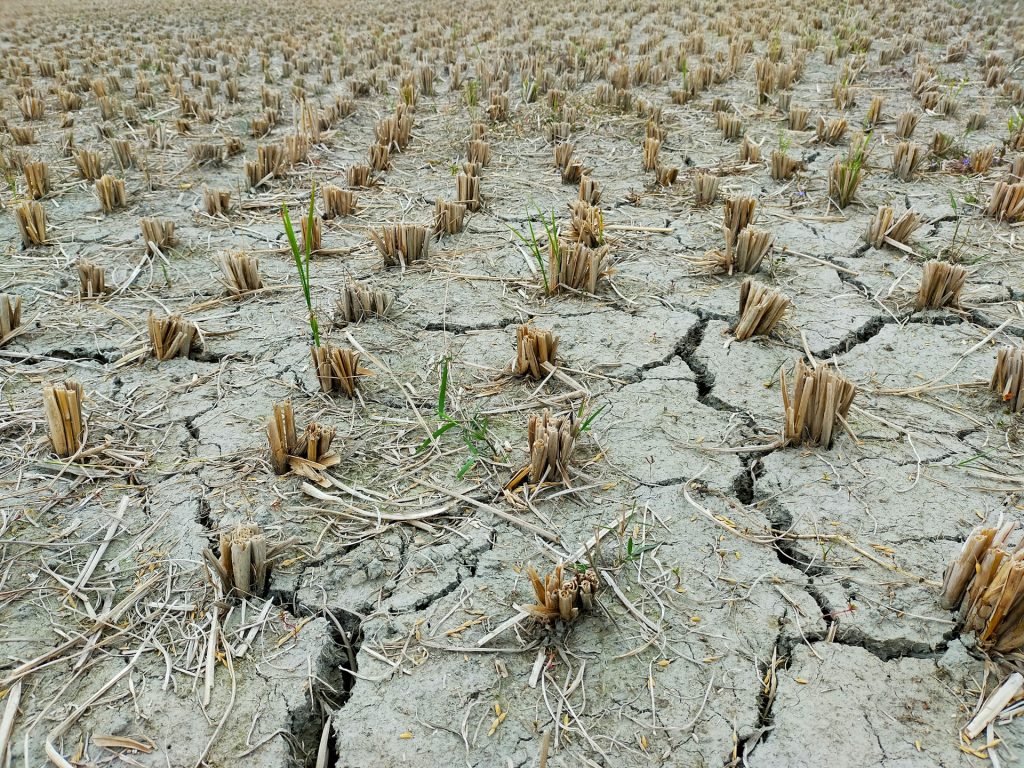
SAN FRANCISCO, CA (MERXWIRE) – From the coffee people drink every morning and the chocolate desserts enjoyed as treats to the scrambled eggs served at breakfast, many everyday foods are now being significantly affected by changes in the global agricultural environment. In recent years, extreme weather events, droughts, rising temperatures, and the spread of pests and diseases, combined with unstable global supply chains, have caused substantial fluctuations in the prices of key food commodities.
Cocoa production has been severely impacted by unfavourable weather conditions in major growing regions, while coffee-producing areas have faced increasing pressure from heatwaves and drought. The egg market has also been challenged by recurring avian influenza outbreaks and rising feed costs. These disruptions are forcing food companies to rethink their supply strategies and accelerate investment in alternative ingredients to maintain stable market availability.
In 2024, cocoa futures prices surged due to severe supply shortages, briefly exceeding US$12,000 per metric ton—an increase of more than 170% compared with the same period a year earlier—making it one of the most notable examples of commodity price volatility in recent years. The International Coffee Organisation (ICO) has also noted that coffee prices have remained elevated due to abnormal weather conditions in major growing regions and rising global demand. Facing higher production costs and the risk of supply shortages, major food companies are accelerating the development of alternative ingredients, including plant-based proteins, fermentation-based technologies, alternative coffee products, and plant-based eggs. These innovations aim to reduce dependence on single raw materials and build more resilient food supply chains.
Driven by advances in food technology, alternative ingredients are rapidly moving from laboratories into mainstream markets, creating a new generation of food innovation. One notable example is beanless coffee, in which food technology companies use plant-based materials such as date pits, grape seeds, chicory, and sunflower seeds, combined with fermentation and roasting techniques, to recreate the aroma and flavour characteristics of traditional coffee. Plant-based eggs are also gaining attention, using plant proteins such as mung beans to replicate the texture, functionality, and cooking properties of conventional eggs. These innovative products are expanding consumer choices while helping address potential food supply challenges caused by climate change.
Beyond improving supply stability, the core value of alternative ingredients lies in their contribution to environmental sustainability. According to the Food and Agriculture Organisation of the United Nations (FAO), the global food system generates greenhouse gas emissions equivalent to approximately one-third of total human-caused emissions. Transforming production methods and improving resource efficiency have therefore become urgent priorities in global climate action.
Life Cycle Assessment (LCA) studies indicate that plant-based alternatives can significantly reduce environmental impacts. For certain plant-based egg products, research shows that compared with conventional eggs, they can reduce greenhouse gas emissions by approximately 69% and lower water consumption by more than 80%. Beanless coffee production also offers potential environmental benefits by reducing the use of agricultural land and water resources through innovative production methods.
Future food innovation will no longer focus solely on finding substitutes for traditional ingredients but will also involve applying advanced technologies to enhance nutritional value and reduce resource consumption. From beanless coffee and plant-based eggs to a wide range of next-generation sustainable foods, alternative ingredients are steadily moving from niche markets into mainstream consumption. As climate uncertainty becomes the new normal, leveraging technology to create a greener and more resilient global food system will become a key direction for the future of the food industry.